Table of Contents
Westmoreland County Courts, PA *

Westmoreland County is among the most populous counties in Pennsylvania, with a population of over 350,000 as of 2025. It is located in the Southwestern region of Pennsylvania, with Greensburg as the county seat since the county's founding in 1773. The county's economy is characterized by a one-time heavy-industry region centered on coal, coke, and steel, which the county now describes as a balanced, innovation-driven economy, with other industries such as healthcare, agriculture, and manufacturing playing a major role in the county's economic growth.
The County is part of Pennsylvania's 10th Judicial District. This single-county district operates a unified court system that presides over the county's major cases, including felony criminal cases, civil cases above $12,000, probate and wills, family law cases, and juvenile delinquency cases. Local courts hear the county's minor cases, such as traffic violations, landlord-tenant disputes, and civil cases below $12,000.
Overview of the Westmoreland County Court System
The Westmoreland County Court system consists of the Court of Common Pleas, the county's highest trial court of general jurisdiction, which presides over all serious cases within the county. The court is presided over by a President Judge and a bench of elected judges. It is organized into divisions, such as Civil, Criminal, and Orphans Court, which preside over specialized matters within their respective scopes, and is the only county court of record.
The second court is the Magisterial District Court, a court of limited jurisdiction operating 16 courts across Westmoreland County that hear the county's minor cases. These courts are presided over by an individual elected Magisterial District Judge. These courts are not of record.
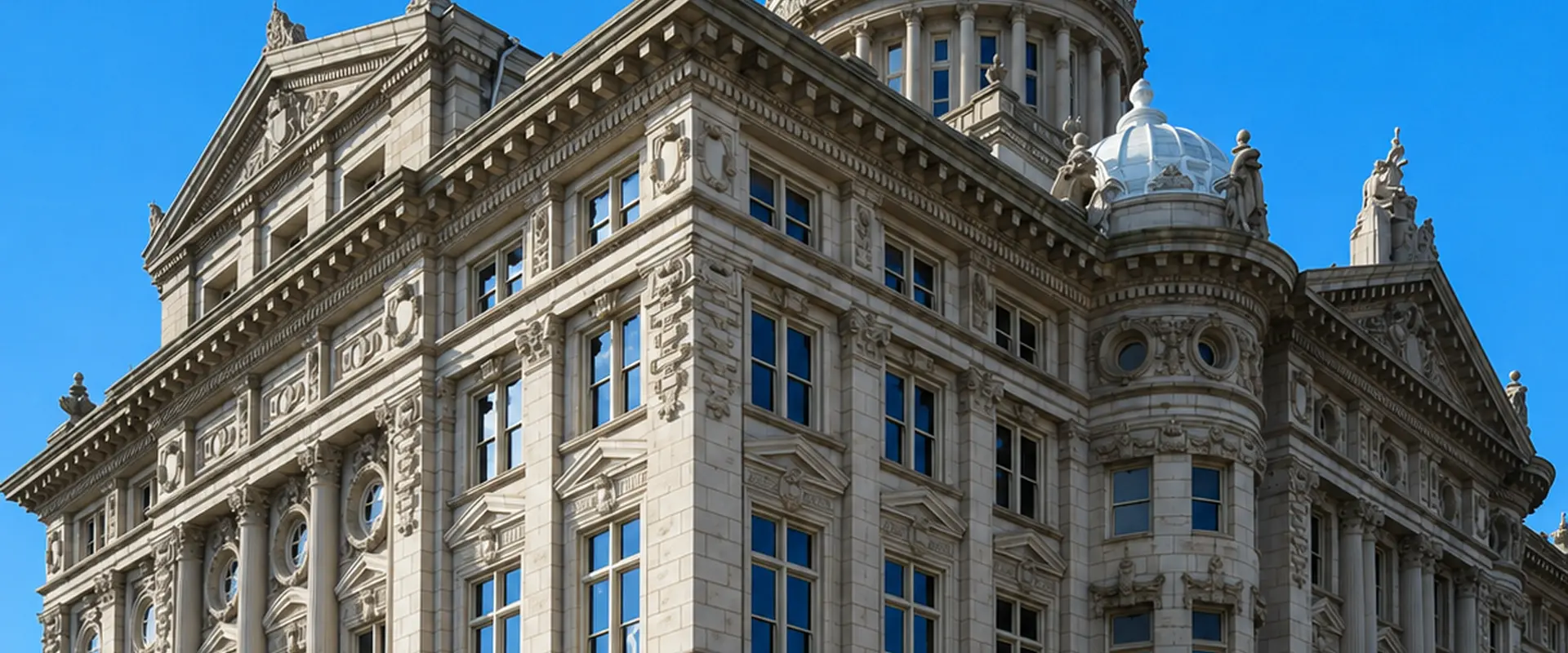
The County Court of Common Pleas is located within the Westmoreland County courthouse. At the same time, the Magisterial District Courts are spread across the county, a strategic choice to help keep minor justice close to the residents.
Types of Courts in Westmoreland County, Pennsylvania

Accessing county court records and filing cases within Westmoreland County requires a deeper understanding that goes beyond an overview of the county court system. Understanding the different types of courts, procedural operations, and cases presided over provides the filers with in-depth insight into the county's court system, as provided below.
 Court of Common Pleas
The Court of Common Pleas is the county's court of general jurisdiction, presiding over all serious cases. The court operates from the Westmoreland County Courthouse, where it presides over the following cases:
- Major civil lawsuits with claims above $12,000
- Felony and serious misdemeanor criminal cases
- Protection from Abuse (PFA) proceedings
- Juvenile delinquency and dependency
- Estate wills, guardianship, and adoption
- Appeals from the Magisterial District Courts
- Family law legal hearings
The court operates in divisions, starting with the Civil Division, which is supported by the Prothonotary's office, Judicial Records, and the Criminal Division, administratively supported by the Clerk of Courts; the Family Division is supported by the Domestic Relations Section, and the Orphans' Court Division under the Register of Wills.
Magisterial District Courts
The Magisterial District Courts are courts of limited jurisdiction, with Westmoreland County serving as the county's local minor court. The County is serviced by 16 Magisterial District Courts that are spread out across the county and preside over the following cases:
- Civil claims less than $12,000
- Landlord-tenant dispute
- Traffic citation and motor-vehicle matters
- Summary offenses
- Setting bail and issuing warrants
- Private criminal complaint filed by citizens
- Preliminary hearings for misdemeanor and felony cases
The Magisterial District Court is supported by the Special Courts Administrator, who provides administrative support for all 16 courts in the county. And to help locate the different Magisterial District Courts, residents can access the court locations page, which lists the courts and the municipalities they each cover.
How to Access Westmoreland County Court Records

Most of the Westmoreland County court records are publicly accessible under the PA Supreme Court's Electronic Case Records Access policy of the Unified Judicial System. The county also holds sealed or restricted records, which are private and inaccessible to the public. Some of these records include specific juvenile records and sensitive family matters, such as adoption and mental health case records. This act of making records private helps protect the privacy of involved parties, such as minors, victims, and individuals, as well as their health records.
 Online Access
For public records, residents can easily access them online through the state-provided Pennsylvania Unified Judicial System (UJS) Web portal. The portal gives residents access to the Court of Common Pleas and the Magisterial District Court's court records, including civil, family, criminal, and landlord-tenant records. From the portal, Westmoreland County residents can also access appellate case records. For a quick search, residents also have access to the PAeDocket, a free app that lets them search case records by name, docket number, or other identifiers.
 Alternative Online Options
Residents also have access to alternative platforms, such as CourtCaseFinder, which allow Westmoreland residents to easily access case records across multiple counties, compared to the county's limited access through the state-provided portal. Alternative platforms also help residents access cases where they have limited information, such as the case type or the court handling the case. The platform pulls court case records from multiple public records, helping residents trace their cases with much greater ease through a single search.
 In-Person Requests
In addition to online options, residents can access case records, archived records, and certified court records in person by visiting the county case records office or the court with jurisdiction over the case. For example, Civil records located at the Prothonotary's office are located within the County Courthouse Annex. Criminal and juvenile records are located at the Clerk of Courts office, and the estates, probate, and marriages are located at the Register of Wills offices. Magisterial District Court records are located within the respective court's location where the case was filed. Residents need to provide identifiers of the cases when making an in-person request, such as the docket number, approximate case filing dates, or the party's full name. This information helps office officials locate physical case records more quickly.
 Archived Records
Most of Westmoreland County's old court records are available in hard copy and microfilm, since the archived records predate the Westmoreland County Court system's digitization. The county holds records dating back to 1773, including estate and naturalization records from 1906-1981. Most of the county's archived records are accessible at the Pennsylvania State Archives, which holds digitized microfilm of Westmoreland County court records, including the Orphans Court dockets, will books, and neutralized dockets.
For Attorneys and Legal Professionals
For out-of-state attorneys, understanding Westmoreland County's local rules is important to understanding how the court system operates before filing a case. The county posts the complete rules, plus separate civil, criminal, and Judicial Administration rules documents in its online Document Center. Having attained a clear understanding of the county's local rules, it then becomes clear that out-of-state attorneys cannot simply appear in a Westmoreland County case. One must first be admitted pro hac vice under the Pennsylvania Bar Association Rule 301, which requires an active licensed Pennsylvania attorney to agree to serve as attorney of record and sponsor the admission. This motion should be filed at least three days before the hearing and requires a filing fee of $375, which is paid to the Pennsylvania IOLTA board.
When filing Civil and Family cases, the Westmoreland County court system offers the Prothonotary's iJEMS web portal for e-filing. Still, it excludes the following cases from e-filing: Protection from Abuse and Abuse cases. To access the portal, attorneys must register, which provides them with the credentials needed to log in. In addition to the county-provided portal, the attorneys also have access to the statewide PACFile Pennsylvania UJS platform.
How to File a Case in Westmoreland County

Filing a case in Westmoreland County requires close attention from the filer due to the delicate nature of the process. A single error, such as selecting the wrong court, filing the wrong case, or paying the wrong filing fee, can result in the rejection or dismissal of a filed case. With 16 Magisterial District Courts, selecting the correct court ensures a successful filing, while the wrong court results in a case transfer or rejection. Hence, the need to first understand the Westmoreland County Court system.
 Step 1: Choose the Correct Court
The first step is to understand the different courts within the county. Filers need to clearly demarcate the cases presided over by the County Court of Common Pleas, including major crimes within the county, such as Felony Criminal cases, Divorce cases, family law matters, probate, wills, and estates. On the other hand, the Magisterial District Court, which represents the county's local court, presides over minor cases such as landlord-tenant disputes, evictions, traffic violations, and small claims. Understanding this difference makes it easier for the filer to select the correct court.
 Step 2: Complete Required Forms
With the correct case selected, the filer must obtain the appropriate case forms to complete the case. To access the Civil case forms for the Common Pleas Court, residents can obtain them from the Prothonotary's office, which publishes cover sheets, petitions, and other forms on the Forms - Civil Page. For the Magisterial District Courts, residents can access the records from the Administrative Office of Pennsylvania Courts standardized statewide forms. For filers filing family law cases, Pennsylvania provides divorce, custody, and more case forms through the Represent Yourself resources. For filers filing probate cases, the Register of Wills offers approved forms for estates, guardianship cases, adoption, and related Orphans Court matters. Accessing standardized case forms from the correct sources reduces the risk of rejection if completed correctly.
 Step 3: File the Case
Once the case forms are completed, filers must file their cases with the appropriate court method within the county. In Westmoreland County, cases can be filed either in person or electronically. To file Civil cases and criminal cases under the Court of Common Pleas can be filed through the Prothonotary's Office located within the county courthouse. This can also be done through the state-provided Pennsylvania UJS web portal. For the Magisterial District Courts, cases can be filed at the specific court offices that cover the municipality where the defendant is or where the dispute occurred. Filers can also file with the courts by mail, but in-person filing is recommended.
 Step 4: Pay Filing Fees
Filing fees vary depending on the type of case and the court presiding over it. Filers must access the county Filing Fees Schedule page on the county website to ensure the correct filing fees are paid. Filers who cannot afford to pay the case filing fee in Westmoreland County are required to file with the court an In Forma Pauperis petition, which, when approved by the Judge, waives the filing fee.
 Step 5: Serve the Other Party
Once the case has been filed, filers are required to notify the defendant, which is done through a process known as service of process. A process that cannot be carried out by the filer but is usually carried out by the Westmoreland County Sheriff's office, and in some cases by mail. Once the serving is complete, a proof of service is recorded with the court. The lack of these records can stall the case if they are not provided; hence, filers need to keep proof of service.
 Step 6: Monitor the Case
After all previously covered steps are completed, the filer must monitor the case status using the provided docket number, which serves as the key case identifier. Monitoring can be done through the UJS portal, which provides free docket sheets and calendars for both the Court of Common Pleas and the Magisterial District Court. Via mobile access, residents can use the PAeDocket application to quickly access and monitor the status of active cases. The county-provided portals, such as the Prothonotary's iJEMS portal, give the filers access to Civil and Family cases dockets.
Westmoreland County Courthouse Directory
Westmoreland County Courthouse
Holds the County Court of Common Pleas, which is responsible for presiding over the country's major cases that include felony, criminal cases, civil cases with claims beyond $12,000, probate and will cases, family law matters, and juvenile delinquency cases.
Brookville
Address: 200 Main Street, Brookville, PA 15825
Phone: (814) 849-1600
Court of Common Pleas: (814) 849-1621
Prothonotary & Clerk of Courts: (814) 849-1607
Register of Wills, Clerk of Orphans' Court & Recorder of Deeds: (814) 849-1610
Magisterial District Courts
Represent the 16 lower-level courts across the county that preside over local minor court cases, such as traffic citations, eviction cases, landlord-tenant disputes, and civil claims below $12,000.
Online Directory: Magisterial District Courts
Legal Help and Self-Help Resources
Westmore County residents have access to various legal resources, including pro bono legal services and free civil legal aid services provided by a mix of non-profit organizations, state-supported bodies, and county-operated systems.
 Free Legal Assistance
One of the main free legal aid providers in Westmoreland County is the non-profit organization Summit Legal Aid, which is the primary provider of free civil legal representation in the county. The organization predominantly focuses on family law, housing, consumer debt, and domestic violence cases through Protection from Abuse actions. Residents also have access to the County-supported offices that provide legal assistance. The Prothonotary, Register of Wills, and Magisterial District Court offices provide residents with the correct case forms, filing instructions, and procedural guidance so they can manage their cases on their own. They just cannot provide legal advice.
 Local Legal Support
Residents also have access to the Westmoreland Bar Association's local legal support programs, such as the Lawyer Referral Services, which help residents connect with attorneys. These services help Westmoreland residents who do not qualify for free legal aid but can access an attorney and do not know where to start the legal process. Residents also have access to the Westmoreland Pro Bono Program with a Pro Bono office located inside the County courthouse. The services offer free legal help to low-income county residents through volunteer attorneys, covering landlord-tenant disputes, foreclosure matters, and more.
FAQs
How long does it take to get court records in Jefferson County?
Timing depends on the request type. Docket sheets viewed through the UJS Portal are immediate and free. In-person record pulls at the Prothonotary & Clerk of Courts office in Brookville typically take a few minutes for current files, but longer for older ones in storage. Historic records held at the Jefferson County History Center's Parker Archives Facility require an appointment and significantly more time.
What kind of records can I find online for Jefferson County?
Through the UJS Portal, one can view docket sheets for Court of Common Pleas and Magisterial District Court cases, court calendars, and case summaries. Coverage includes civil, criminal, family, juvenile delinquency dispositions, and Orphans' Court matters. Recorded deeds and mortgages are searchable through the Register & Recorder's office. For historical records beyond what's been digitized, one will need in-person access to a courthouse or an archive.
Are online court record searches always accurate?
Official platforms like the UJS Portal reflect current docket information, but they don't always show sealed records, recently filed documents, or matters from other counties. For broader checks across multiple jurisdictions, commercial directories like CourtCaseFinder pull data from multiple sources simultaneously. However, any result should be confirmed against official records held by the Jefferson County Prothonotary before being relied on for legal or financial decisions.
What do I do if I can't find my case online?
First, double-check spelling and try searching the UJS Portal by docket number rather than name; common surnames in the region return many results. If the case still doesn't appear, it may be sealed, expunged, or filed in a court level not covered by their search filters. Contact the Jefferson County Prothonotary & Clerk of Courts, or the relevant Magisterial District Court office for first-level cases.
How do I pay a traffic ticket in Jefferson County?
Traffic citations issued in Jefferson County are filed at one of the three Magisterial District Court offices, Brookville, Punxsutawney, or Reynoldsville, depending on where the citation was issued. One can pay online through PAePay using their citation number, by mail, or in person at the issuing Magisterial District Court office. The citation itself shows which court handles it.
Other Counties in Pennsylvania
- Adams
- Allegheny
- Armstrong
- Beaver
- Bedford
- Berks
- Blair
- Bradford
- Bucks
- Butler
- Cambria
- Cameron
- Carbon
- Centre
- Chester
- Clarion
- Clearfield
- Clinton
- Columbia
- Crawford
- Cumberland
- Dauphin
- Delaware
- Elk
- Erie
- Fayette
- Forest
- Franklin
- Fulton
- Greene
- Huntingdon
- Indiana
- Jefferson
- Juniata
- Lackawanna
- Lancaster
- Lawrence
- Lebanon
- Lehigh
- Luzerne
- Lycoming
- Mckean
- Mercer
- Mifflin
- Monroe
- Montgomery
- Montour
- Northampton
- Northumberland
- Perry
- Philadelphia
- Pike
- Potter
- Schuylkill
- Snyder
- Somerset
- Sullivan
- Susquehanna
- Tioga
- Union
- Venango
- Warren
- Washington
- Wayne
- Wyoming
- York
Table of Contents
